
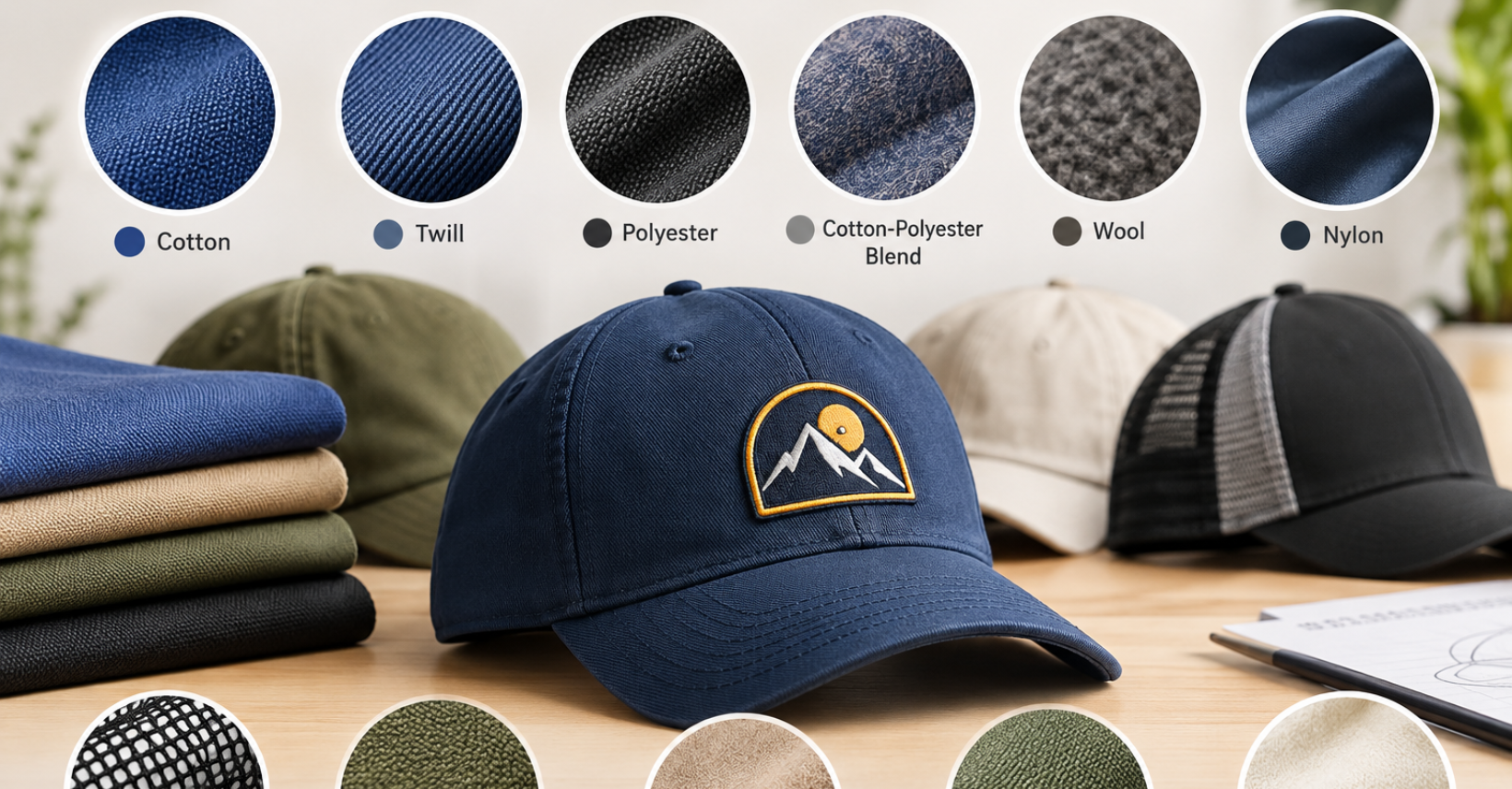
Custom baseball caps are more than everyday accessories. They help businesses build brand recognition, allow clothing brands to express their identity, and give sports teams, clubs and organisations a practical way to create a unified appearance. However, the quality, comfort and overall appearance of a custom baseball cap depend heavily on the materials used to make it.
From breathable cotton and durable polyester to premium wool blends, lightweight nylon and textured canvas, every material offers different advantages. The right choice depends on how the cap will be worn, the look you want to achieve, your branding requirements and your budget.
For businesses and clothing brands investing in custom headwear, understanding these differences can make the design and ordering process much easier. A fabric that works well for everyday casual wear may not be the best choice for running, outdoor work or a premium retail collection. Similarly, the material that supports a bold embroidered logo may differ from the one best suited to a lightweight performance cap.
At Custom Cap uk, choosing the right cap material is an important step towards creating headwear that reflects your brand and suits your customers. This guide explores the most common materials used in custom baseball caps, explains their benefits and limitations, and helps you decide which options are worth considering for your next project.
1. Why Materials Matter in Custom Baseball Caps
The fabric used in a baseball cap influences much more than its appearance. It affects how the cap feels, how well it holds its shape, how it performs in different conditions and how effectively it displays your branding.
Two caps might look almost identical in photographs but feel completely different when worn. One may have a soft, lightweight construction, while another may feel firm and structured. These differences often come from the fabric, internal reinforcement, brim construction and finishing details.
Comfort and breathability
The material determines how air moves through the cap and how it feels against the wearer’s head. Cotton fabrics are often chosen for everyday comfort, while mesh panels and certain performance fabrics can help improve ventilation.
For customers wearing caps for several hours, comfort should be a priority rather than an afterthought.
Durability and shape retention
A cap used occasionally for casual outings has different requirements from one worn daily by staff, athletes or outdoor workers. Some fabrics resist abrasion and repeated use well, while others are selected primarily for softness, texture or appearance.
The cap’s internal structure also affects durability. Even a strong outer fabric may lose its intended shape if the crown reinforcement or brim construction is unsuitable for the design.
Embroidery and branding quality
Material choice can influence how cleanly a logo is stitched onto a cap. Stable woven fabrics are often suitable for embroidery, while highly textured, stretchy or lightweight materials may require additional consideration.
Your artwork, stitch density and embroidery technique should all be reviewed alongside the fabric.
Appearance and brand identity
Materials help establish the personality of your headwear. Cotton twill can create a familiar, classic look, wool blends can provide a more substantial finish, and nylon can give a cap a modern, technical appearance.
Choosing a material that supports your brand identity helps create a more cohesive final product.
2. Cotton: A Classic Material for Baseball Caps
Cotton is one of the most familiar materials used in everyday baseball caps. It is popular because it offers a natural feel, versatility and a wide range of styling possibilities.
Cotton caps can work well for clothing brands, company merchandise, promotional products, sports clubs and casual everyday headwear.
Benefits of cotton caps
Cotton is generally comfortable against the skin and can offer good breathability, depending on the fabric construction. It is available in different weights, textures and finishes, allowing manufacturers to create both structured and relaxed cap styles.
Cotton also accepts many embroidery designs effectively when the selected fabric provides a stable surface.
For brands looking to create understated, wearable merchandise, cotton is often a practical starting point.
What to consider before choosing cotton
Cotton can absorb moisture, and some cotton fabrics may shrink, fade or change shape if they are not cared for appropriately. Performance will depend on the weave, finishing process, construction and care instructions.
If your caps are intended for demanding outdoor use or frequent washing, compare cotton with suitable synthetic alternatives before making a final decision.
Best uses for cotton baseball caps
Cotton is worth considering for:
- Everyday branded headwear.
- Casual fashion collections.
- Company uniforms and merchandise.
- School, club and community caps.
- Embroidered logos and simple graphic designs.
For a traditional baseball cap with a familiar feel, cotton remains one of the most versatile options.
3. Cotton Twill: A Popular Choice for Custom Caps
Cotton twill deserves particular attention because it is widely used in baseball caps. Twill is a woven construction characterised by diagonal lines in its surface. When made from cotton, it combines a familiar natural feel with a useful balance of structure and flexibility.
The actual weight and finish of the fabric determine how firm or soft the finished cap feels.
Why cotton twill works well
Cotton twill can provide a stable front panel for custom embroidery. Its surface often supports clearly defined lettering, logos and other stitched details when the design is prepared appropriately.
It is also available in a variety of colours, making it suitable for brands that want their headwear to match established visual guidelines.
For example, a business might choose navy cotton twill with white embroidery for a professional appearance, while a clothing brand might prefer washed beige twill with a small tonal logo.
Structured versus relaxed twill caps
A heavier or reinforced twill construction can help a cap maintain a defined profile. Lighter twill with minimal internal reinforcement can create a softer, more relaxed silhouette.
Neither option is automatically better. The choice depends on whether your design calls for a classic structured baseball cap or a casual style that follows the shape of the head.
Is cotton twill right for your brand?
Consider cotton twill if you want a versatile fabric that can support everyday wear, embroidered branding and a traditional baseball cap appearance.
When comparing options, ask about the fabric weight, finish and internal construction rather than relying on the word “cotton” alone.
4. Polyester: Durable and Practical for Branded Headwear
Polyester is a synthetic fibre frequently used in sportswear, uniforms, promotional headwear and performance-oriented caps.
It offers a different set of characteristics from cotton, particularly when durability, drying time and colour retention are important.
Advantages of polyester
Depending on its construction, polyester fabric can be lightweight, durable and relatively quick-drying. It is often selected for caps that need to cope with active use or outdoor conditions.
Polyester can also provide consistent colour and shape performance when the fabric is appropriately manufactured and cared for.
For businesses ordering caps for sporting events, fitness teams or outdoor activities, these characteristics may be useful.
Polyester and moisture management
Some polyester performance fabrics are engineered to move moisture away from the skin. However, not every polyester cap has moisture-wicking properties simply because it contains polyester.
If sweat management is a priority, look for a fabric specifically designed and tested for that purpose.
Ventilation, sweatband construction and the overall cap design also affect comfort.
Potential limitations
Some polyester fabrics may feel less natural than cotton, and breathability varies considerably between different weaves and finishes. A dense polyester cap without suitable ventilation may not be ideal for every warm-weather application.
Always assess the finished cap rather than judging performance by fibre composition alone.
Best applications for polyester caps
Polyester is worth considering for:
- Sports teams and athletic merchandise.
- Running and training caps.
- Promotional events.
- Staff headwear used outdoors.
- Designs that require specific performance characteristics.
For active customers, a suitable polyester performance cap can be more appropriate than a traditional cotton design.
5. Cotton-Polyester Blends: Combining Useful Fabric Properties
Cotton-polyester blends combine two fibres to create a fabric with characteristics influenced by both materials. The exact result depends on the blend ratio, yarn quality, weave and finishing process.
These fabrics can be a practical option when a brand wants a balance between a familiar cotton feel and the durability characteristics of polyester.
Why brands consider blended fabrics
A cotton-polyester blend may offer a comfortable surface while helping the cap maintain its appearance through regular use. It can also provide a useful base for branded merchandise and team headwear.
Blended fabrics are available in different weights and constructions, so the experience of wearing one cap may differ significantly from another.
How blends affect embroidery
Many cotton-polyester woven fabrics provide a stable surface for embroidery. However, the quality of the finished result also depends on fabric density, backing, stitch design and the complexity of the logo.
A well-prepared design can help the embroidery sit neatly without creating excessive puckering or distortion.
When to choose a cotton-polyester blend
Consider this option when you need versatile caps for employees, customer merchandise, club members or promotional campaigns.
Rather than assuming that one blend ratio is always best, compare the actual fabric specifications and request a sample when the order is particularly important.
6. Wool and Wool Blends: For a Premium Appearance
Wool and wool-blend fabrics can give baseball caps a distinctive texture and a more substantial appearance. They are often associated with structured sports caps, heritage-inspired designs and premium fashion collections.
Some caps use wool blends rather than pure wool to achieve a particular balance of cost, texture and construction.
Benefits of wool-blend caps
Wool-blend fabrics can provide a refined finish, a rich appearance and a structured feel. They can be suitable for brands that want headwear with a traditional or premium identity.
They may also be appealing for cooler-weather collections, although warmth depends on the fabric weight and overall construction.
Considerations before choosing wool
Wool-blend caps may cost more than basic cotton or polyester options. Some constructions also require more careful cleaning and maintenance.
If your caps will be used during strenuous outdoor activities or hot weather, consider whether a warmer fabric is appropriate for your customers.
Ideal applications
Wool blends can suit:
- Premium retail headwear.
- Heritage-inspired clothing brands.
- Structured fitted caps.
- Autumn and winter collections.
- Fashion merchandise with a classic sports aesthetic.
If your brand focuses on premium styling, a wool blend may provide the visual character you want.
7. Nylon: Lightweight Material for Outdoor Caps
Nylon is another synthetic material used in caps designed for active use, travel and outdoor lifestyles. It can be manufactured in lightweight constructions that are easy to wear and practical for certain technical applications.
Its performance depends on the type of nylon, the fabric structure and any coatings or finishing treatments.
Why nylon is useful
Some nylon fabrics offer a strong balance of low weight and durability. They may also be designed to resist light moisture or dry quickly, depending on their specification.
This makes nylon worth considering for caps intended for hiking, travel, cycling and other activities where weight and practicality matter.
Nylon and weather resistance
Not all nylon caps are waterproof or water-resistant. These properties depend on the fabric construction and any additional treatment.
If weather protection is important to your design, confirm the relevant performance specifications instead of assuming that nylon alone guarantees protection from rain.
Branding nylon caps
Nylon can work with selected embroidery, patches and printing methods. However, lightweight or slippery fabrics may require a suitable production approach to prevent distortion or damage.
Review your preferred logo design with your manufacturer before confirming the material.
Best uses for nylon
Nylon can be suitable for technical outdoor caps, lightweight travel headwear and contemporary fashion collections that favour functional materials.
It is especially worth exploring when traditional cotton feels too heavy for the intended use.
8. Mesh: A Key Material for Trucker Baseball Caps
Mesh is a common feature of trucker caps. These designs typically combine a structured front panel with mesh panels at the back to create a distinctive style and allow more air to circulate.
The front panel may use cotton, polyester, foam-backed fabric or another suitable material, while the rear mesh is commonly made from a synthetic fibre.
Why mesh is popular
The open structure of mesh allows airflow through the rear of the cap. This can make the design appealing for warm weather, outdoor events and casual everyday use.
Mesh also gives trucker caps a recognisable appearance that suits outdoor brands, lifestyle merchandise and promotional products.
Choosing the right mesh
Mesh fabrics differ in softness, opening size, flexibility and appearance. A softer mesh may create a more relaxed feel, while a firmer mesh can help the cap maintain a defined profile.
The best choice depends on the intended design and comfort requirements.
Embroidery on mesh-backed caps
The structured front panel is commonly used for the main embroidered logo. The open mesh sections may not be suitable for conventional dense embroidery without a specific construction designed to support it.
If you want additional branding on the rear or sides, ask which areas can accommodate the chosen decoration method.
For a breathable casual cap with a bold front logo, a trucker style is often worth considering.
9. Canvas: A Firm, Textured Material
Canvas is a woven fabric associated with a substantial feel and a visible texture. Depending on its fibre composition and weight, it can create a rugged appearance that suits workwear-inspired and outdoor-style headwear.
Cotton canvas is one option, but canvas can also be made from other fibres or blends.
What makes canvas different?
Compared with many lightweight fabrics, heavier canvas can provide a firmer feel and a more pronounced surface texture. This can give custom caps a distinctive character.
It may be useful for brands that want to create durable-looking merchandise or a collection inspired by workwear and outdoor clothing.
Design considerations
Thicker canvas can affect the ease of sewing, the bulk of seams and the appearance of small embroidery details. The suitability of the material depends on its weight and the chosen cap construction.
For intricate logos, ask to review the design on the actual fabric or a representative sample.
Where canvas works best
Canvas can suit workwear-inspired caps, outdoor lifestyle brands and collections that favour a rugged, structured aesthetic.
If you want a cap with a more substantial texture than standard cotton twill, canvas is worth exploring.
10. Brushed Cotton: Softness and Casual Style
Brushed cotton is cotton fabric that has undergone a finishing process to raise some of its surface fibres. This creates a softer texture and can give the material a more relaxed appearance.
It is often associated with casual caps, low-profile silhouettes and lifestyle headwear.
Benefits of brushed cotton
The soft surface can create a comfortable, understated look. Brushed cotton may also work well for brands that prefer a relaxed or vintage-inspired aesthetic rather than a highly structured cap.
It is available in different weights and finishes, so the level of softness and the way it holds its shape can vary.
What to consider for embroidery
The raised surface texture can affect how fine embroidery details appear. For simple logos, lettering or monograms, brushed cotton can be a good option, provided the artwork is suitable for the fabric.
Very small details may need adjustment to remain clear.
Best applications
Brushed cotton can suit relaxed everyday caps, minimalist branding, lifestyle merchandise and casual clothing collections.
It is particularly worth considering if you want your custom caps to feel less formal than traditional structured baseball caps.
11. Recycled Polyester and Organic Cotton
Brands increasingly consider how materials fit into their wider sustainability goals. Recycled polyester and organic cotton are two options that may be available for selected custom headwear designs.
However, the environmental impact of a finished cap depends on more than its fibre label.
Recycled polyester
Recycled polyester is made using recovered polyester materials. Depending on the source and production process, it can help incorporate recycled content into headwear.
Its properties depend on the finished fabric, including the weave, weight and any performance treatments.
If your brand intends to make specific sustainability claims, ask the supplier for documentation that verifies the recycled content and any relevant certifications.
Organic cotton
Organic cotton is grown under a defined organic production system. It may appeal to brands seeking cotton sourced in line with particular environmental and agricultural standards.
The fabric’s comfort and durability still depend on the yarn, weave, weight, finishing and cap construction.
How to make a responsible material choice
Start by identifying the sustainability objectives that matter to your business. These could include recycled content, verified sourcing, durability or reducing unnecessary packaging.
Request clear evidence for any claims you intend to use in marketing. Choosing a material described as eco-friendly does not automatically establish the environmental performance of the complete product.
For a responsible collection, combine appropriate materials with thoughtful design and realistic care instructions.
12. Understanding the Other Materials Inside a Baseball Cap
The outer fabric is important, but it is only one part of a baseball cap. Internal and supporting materials influence the cap’s shape, comfort, fit and long-term usability.
Buckram and crown reinforcement
Structured caps often contain an internal reinforcement layer, commonly called buckram, that helps the front panels maintain their shape.
This reinforcement can be useful for bold logos and designs that require a defined front profile.
Unstructured caps generally use less reinforcement, allowing the crown to sit more naturally against the head.
The choice affects both the appearance and the wearing experience.
Brim core
The peak or brim usually contains an internal insert that helps it maintain its shape. The insert material and construction influence the firmness, flexibility and care requirements of the cap.
Some caps use plastic-based inserts, while other constructions may use different materials.
If you expect customers to wash their caps frequently, ask how the brim is constructed and what cleaning methods are recommended.
Sweatband
The sweatband sits inside the cap around the forehead area. Its material can influence comfort and moisture management.
Depending on the cap, it may use cotton, polyester blends or specially designed performance fabrics.
For active or outdoor headwear, a suitable sweatband can be an important part of the overall comfort specification.
Closures and adjustment straps
Common closure options include plastic snapbacks, fabric straps, buckles and hook-and-loop fasteners.
These components affect adjustability, appearance and ease of use. A fabric strap with a metal buckle may suit a premium casual design, while a plastic snapback may complement a sporty or streetwear style.
Choose a closure that works with the cap’s design and intended audience.
Eyelets and stitching
Eyelets can provide ventilation near the crown. They may be stitched into the fabric or finished with other suitable components, depending on the construction.
The seams and stitching also contribute to the cap’s structural integrity. Consistent construction is important because the fabric alone cannot guarantee a high-quality finished product.
13. Which Baseball Cap Material Is Best for Embroidery?
If you plan to create custom embroidered baseball caps, consider the stability, texture and weight of the front panel as well as the fibre itself.
Cotton twill and suitable cotton-polyester woven fabrics are often practical starting points because they can provide a stable surface for stitched logos.
However, there is no single material that is automatically best for every embroidered cap.
Flat embroidery
Flat embroidery can work well on a range of suitable woven fabrics. It is commonly used for company logos, lettering, team badges and simple graphics.
The final result depends on the design, stitch density, thread selection and backing used during production.
3D puff embroidery
Three-dimensional puff embroidery creates a raised effect and is often used for bold lettering or simple graphic elements.
It generally needs suitable fabric support and artwork designed for the technique. Very fine details may not translate effectively into raised stitching.
Patches as an alternative
Embroidered, woven and other suitable patches can provide another way to display a logo on a cap.
A patch may be useful when your artwork has specific detail requirements or when you want a badge-style appearance.
The best decoration method should be chosen alongside the cap material, rather than treating fabric and branding as separate decisions.
14. How to Choose the Right Material for Your Custom Caps
The most suitable material depends on your project. Before placing an order, consider the following factors.
Everyday wear
For general use, cotton twill or a suitable cotton blend can provide a familiar appearance and versatile styling options.
Consider the weight, finish and structure to determine whether the cap should feel firm or relaxed.
Corporate and promotional headwear
Businesses often need caps that balance appearance, comfort, branding and budget.
A stable woven fabric with a suitable embroidery area can be a practical choice. If the caps will be worn outdoors or during physical work, evaluate ventilation and moisture management as well.
Sports and active lifestyles
For running, training or other active uses, consider performance polyester, suitable synthetic blends or caps with ventilation features.
Look for verified performance characteristics rather than relying on fibre names alone.
Premium fashion collections
Wool blends, brushed cotton, textured canvas and other distinctive materials can help create a more specialised appearance.
The material should support the intended price point, overall design and expectations of your target customers.
Outdoor and travel caps
Nylon and selected performance fabrics may suit lightweight outdoor headwear. Mesh can also be useful where ventilation is important.
If weather resistance is required, confirm the actual fabric treatment and performance specifications before making claims.
15. Comparing Popular Baseball Cap Materials
The following table provides a practical starting point when comparing fabrics for custom headwear.
| Material | Main advantages | Considerations | Suitable uses |
|---|---|---|---|
| Cotton | Familiar feel and versatile styling | Can absorb moisture and may shrink | Everyday and casual caps |
| Cotton twill | Structured surface and embroidery versatility | Weight and finish affect comfort | Corporate and branded caps |
| Polyester | Durable and available in performance constructions | Breathability varies by fabric | Sports and promotional headwear |
| Cotton-polyester blend | Combines characteristics of both fibres | Performance depends on blend and construction | General branded headwear |
| Wool blend | Textured, substantial and premium appearance | May need more careful maintenance | Heritage and premium collections |
| Nylon | Can be lightweight and practical for outdoor use | Weather resistance is not guaranteed | Travel and technical caps |
| Mesh | Allows airflow through open panels | Not every mesh suits direct embroidery | Trucker caps |
| Canvas | Substantial texture and rugged appearance | Thick fabric may affect fine details | Workwear and outdoor styles |
| Brushed cotton | Soft surface and relaxed appearance | Texture can affect fine embroidery | Casual and lifestyle caps |
| Recycled polyester | Offers recycled-content options | Claims should be supported by documentation | Sustainability-focused collections |
| Organic cotton | Supports specific organic sourcing goals | Availability and verification vary | Responsible lifestyle collections |
Remember that material names do not tell the whole story. Fabric weight, weave, finishing, internal reinforcement and manufacturing quality all influence the finished cap.
16. How to Maintain Custom Baseball Caps
Choosing the right material is only part of creating long-lasting headwear. Proper care can help preserve the appearance of the cap, its embroidery and its internal construction.
Follow the care instructions
Different fabrics and cap constructions require different cleaning methods. Always follow the manufacturer’s instructions for the finished product.
Do not assume that every baseball cap can be machine-washed or exposed to high temperatures.
Clean stains carefully
Where permitted by the care instructions, use a suitable gentle cleaning method and avoid aggressive scrubbing around embroidery.
Harsh cleaning products or excessive friction may affect the fabric, thread or colour.
Protect the cap’s shape
The crown reinforcement and brim insert can respond differently to moisture and heat. Avoid using a cleaning or drying method that could distort these components.
Allow the cap to dry according to its care instructions, maintaining its intended shape where possible.
Store caps properly
Store caps in a clean, dry place away from excessive heat and direct sunlight. Keeping them in a suitable shape can help prevent unnecessary creasing or deformation.
For businesses ordering caps in bulk, providing basic care guidance can help customers maintain their appearance for longer.
17. Common Mistakes to Avoid When Choosing Cap Materials
Selecting a fabric based only on its appearance or lowest price can lead to disappointing results.
Avoid these common mistakes when planning your custom headwear.
Choosing a material without considering its purpose. A fabric suited to casual wear may not provide the performance needed for sports or outdoor work.
Assuming all cotton fabrics behave the same. Twill, canvas and brushed cotton have different textures and construction characteristics.
Expecting every polyester fabric to wick moisture. Moisture management depends on the specific fabric and its design.
Ignoring the embroidery requirements. A complex logo may need a stable front panel or artwork adjustments to produce a clean result.
Overlooking internal components. The sweatband, brim core, crown reinforcement and closure all contribute to the finished product.
Making unsupported sustainability claims. Verify recycled content, organic sourcing and relevant certifications before using them in marketing.
Approving an order without reviewing the specification. Confirm the fabric, cap style, colour, decoration and intended use before production.
A little planning at the beginning can help you select a more suitable product and reduce the likelihood of costly changes later.
18. Why Material Selection Matters for Your Brand
For a business, custom baseball caps can be much more than a promotional item. They can become part of a uniform, a retail collection, an event experience or a broader brand identity.
Material selection helps determine whether the cap feels appropriate for the people who will wear it.
A company supplying outdoor staff may need practical construction and suitable ventilation. A fashion label may prioritise colour, texture and silhouette. A sports club may focus on comfort, branding and consistent appearance across its team.
At Custom Cap uk, the best starting point is to define the purpose of your caps before choosing the material. Consider your target audience, intended use, branding method and budget, then compare options that suit those requirements.
If you are unsure which fabric is right for your design, prepare your logo and explain how the caps will be used. Discussing the material and decoration together can help identify a suitable construction before you finalise the order.
Conclusion
The materials used in custom baseball caps influence comfort, durability, appearance, branding quality and overall value. Cotton and cotton twill remain versatile choices for everyday headwear, while polyester and selected synthetic fabrics can suit sports and performance applications. Wool blends offer a distinctive premium look, nylon can work well for lightweight outdoor designs, and mesh provides ventilation for trucker-style caps.
The best material is not necessarily the most expensive or the most fashionable. It is the one that supports your design, suits your customers and performs appropriately for the intended use.
For brands, businesses, sports teams and organisations, taking time to compare fabrics and construction details can lead to more confident purchasing decisions and better custom headwear.
At Custom Cap uk, start by identifying the style you want to create, the people who will wear it and the purpose it needs to serve. From there, you can explore suitable fabrics, embroidery options and cap constructions to develop headwear that reflects your brand and offers lasting everyday appeal.
Ready to plan your custom baseball caps? Visit Custom Cap uk to explore your options and start creating headwear that matches your brand’s needs.