
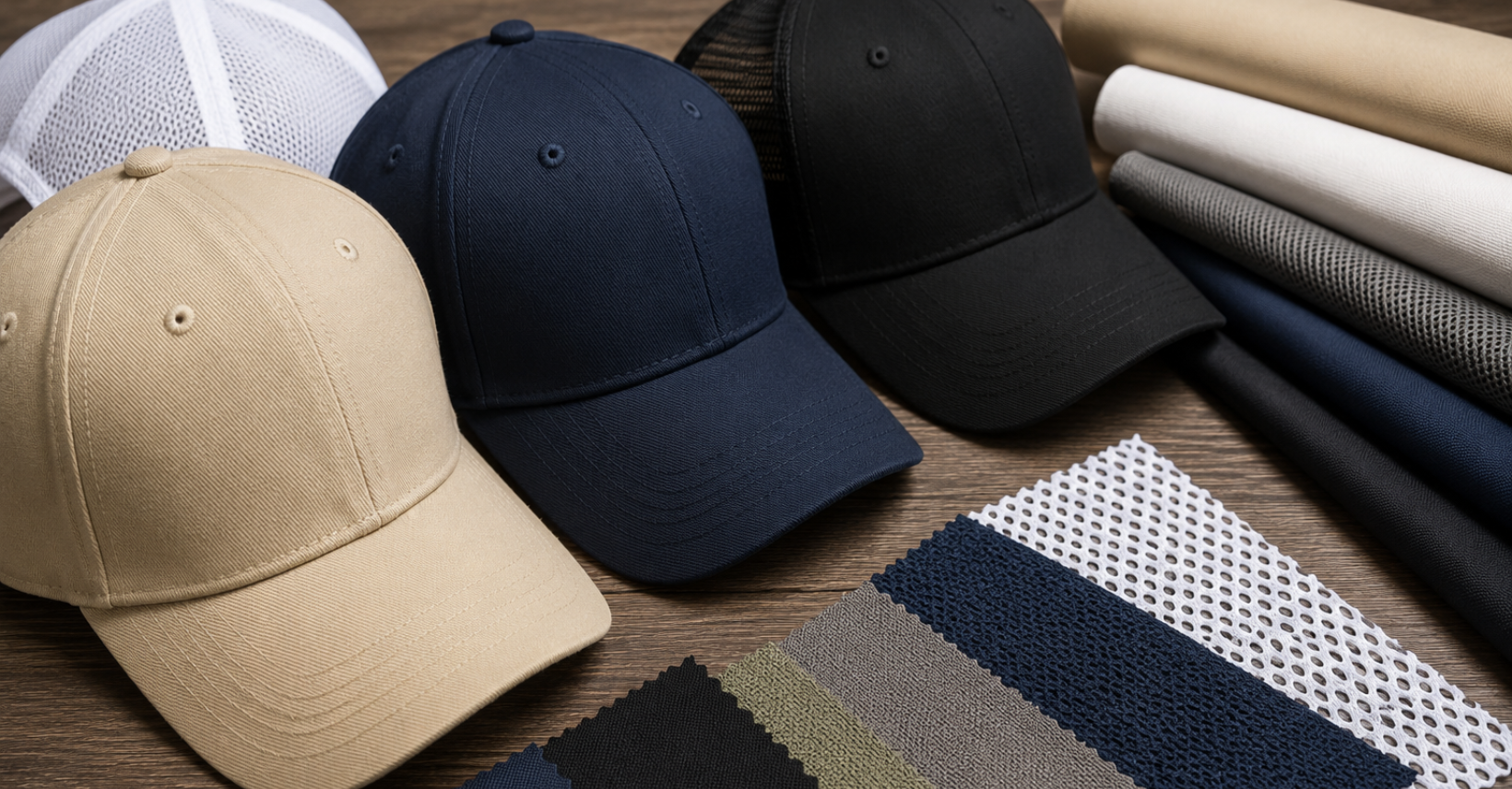
When choosing a cap, most people immediately focus on the colour, style, logo, or overall design. While these details are certainly important, there is another factor that can make or break the entire wearing experience: the fabric.
The material used to create a cap affects almost everything about it. From how comfortable it feels on your head to how well it handles heat, moisture, washing, sunlight, and everyday wear, fabric selection plays a major role in determining whether a cap feels premium or cheaply made.
This becomes even more important when you are ordering custom caps for your business, sports team, clothing brand, event, club, or organisation. A beautifully designed logo will not achieve the desired impact if it is placed on a fabric that does not suit the cap’s purpose.
At Custom Cap uk, we understand that great custom headwear starts with the right foundation. Whether you need embroidered caps for your team, personalised trucker caps for an outdoor event, branded hats for your company, or custom headwear for a fashion collection, choosing the right fabric can help you achieve the perfect combination of comfort, durability, style, and branding.
So, how do you choose the best fabric for quality caps?
The answer depends on several factors, including where the cap will be worn, how frequently it will be used, the climate, the desired appearance, and the type of customisation you want to add.
In this guide, we explore the most popular cap fabrics and explain how to select the right material for your specific needs.
Why Does Cap Fabric Matter So Much?
The fabric of a cap is not simply a covering for the head. It contributes directly to the performance and appearance of the finished product.
Two caps can have almost identical designs but feel completely different when worn because they are made from different materials.
A high-quality fabric can provide:
- Better breathability
- Improved comfort
- Greater durability
- Better shape retention
- Enhanced colour performance
- More effective moisture management
- A premium appearance
- Improved support for embroidery and patches
- Easier everyday maintenance
On the other hand, choosing the wrong material can result in a cap that feels too hot, loses its shape, fades quickly, or does not present your logo as professionally as you expected.
For personal caps, this can simply mean an uncomfortable accessory. For businesses and organisations, however, the consequences can be more significant. A branded cap is often a reflection of your identity, so the quality of the finished product matters.
The ideal fabric is therefore one that matches the purpose of the cap rather than simply looking good in a product photograph.
The Best Cap Fabric Depends on How You Plan to Use It
There is no single fabric that is perfect for every cap.
The best material for a summer fashion cap may not be the same material you would choose for a sports team. Likewise, a cap designed for outdoor workers may require completely different properties from one created for a premium streetwear collection.
Before selecting a fabric, consider these questions:
- Will the cap be worn indoors or outdoors?
- Will it be used during physical activity?
- Is it intended for hot or cold weather?
- Will people wear it for several hours at a time?
- Does it need to withstand frequent washing?
- Does the cap need to maintain a structured shape?
- Will you add embroidery or a patch?
- Is the cap primarily for fashion, promotion, workwear, or sport?
Once you understand the intended use, selecting the appropriate material becomes much easier.
Let’s explore some of the most popular fabric options.
Cotton Caps: A Comfortable Choice for Everyday Wear
Cotton has remained one of the most popular materials in the headwear industry for decades, and for good reason.
As a natural fibre, cotton is known for its soft feel and comfortable wearing experience. It is particularly suitable for casual caps designed for everyday use.
Cotton caps are often chosen for:
- Lifestyle brands
- Casual fashion
- Promotional campaigns
- Company merchandise
- Clubs and organisations
- Everyday personal wear
- Embroidered custom caps
One of the biggest advantages of cotton is its natural feel. It is generally comfortable against the skin and can provide good airflow, making lightweight cotton a practical option for everyday use.
Cotton also has a versatile appearance. Depending on the weave and finishing process, it can create anything from a clean, refined look to a more relaxed and vintage-inspired aesthetic.
For customisation, cotton is also a popular option. Its surface can provide a suitable base for embroidery, patches, and other branding applications.
However, cotton does have some limitations. It can absorb moisture and may take longer to dry than synthetic performance fabrics. It may also require more care if it is exposed regularly to rain or intense outdoor conditions.
For customers looking for a comfortable cap for everyday lifestyle use, however, cotton remains a dependable choice.
Polyester Caps: Built for Performance and Durability
Polyester has become increasingly popular in modern headwear because of its strength and performance characteristics.
Unlike cotton, polyester is a synthetic fibre designed to withstand demanding conditions. It is commonly used in sportswear, activewear, outdoor products, and performance-focused caps.
One of the main benefits of polyester is its ability to dry relatively quickly. This makes it a practical material for people who spend time outdoors or participate in physical activities.
Polyester caps can offer:
- Strong durability
- Good shape retention
- Quick-drying performance
- Resistance to wrinkles
- Good colour retention
- Low-maintenance care
- Suitable performance for outdoor use
For sports teams and active users, polyester can be an excellent choice. It is also suitable for businesses that want branded caps capable of handling regular use.
Another advantage is that polyester can be engineered into different types of performance fabrics. Some polyester materials are designed specifically to improve moisture management and airflow.
However, not every polyester cap will feel the same. The weight, weave, construction, and finishing of the fabric can all influence comfort.
If you are ordering custom caps for an active audience, it is worth considering performance polyester or a polyester blend rather than selecting a material based solely on appearance.
Cotton vs Polyester: Which Fabric Should You Choose?
One of the most common questions customers ask is whether cotton or polyester is better for caps.
The answer depends on what you need from your headwear.
| Feature | Cotton | Polyester |
|---|---|---|
| Soft, natural feel | Excellent | Good |
| Everyday comfort | Excellent | Good |
| Breathability | Good | Depends on construction |
| Moisture management | Moderate | Good |
| Drying speed | Slower | Faster |
| Durability | Good | Excellent |
| Shape retention | Good | Excellent |
| Outdoor performance | Moderate | Excellent |
| Casual appearance | Excellent | Good |
| Active use | Good | Excellent |
If comfort and natural texture are your top priorities, cotton may be the better option.
If durability, quick drying, and performance are more important, polyester may be the stronger choice.
For customers who want a balance between the two, blended fabrics can provide an attractive middle ground.
Cotton-Polyester Blends: Combining Comfort and Performance
Sometimes, the best solution is not choosing one fabric over another. Instead, a blend can combine the advantages of multiple materials.
Cotton-polyester blends are popular because they can provide a balance of:
- Comfort
- Durability
- Breathability
- Shape retention
- Easy maintenance
- Performance
The exact characteristics depend on the percentage of each fibre used in the blend.
A fabric with a higher cotton content may provide a softer, more natural feel. A blend with more polyester may offer greater durability and improved moisture performance.
Blended fabrics can be particularly useful for businesses ordering custom caps for staff, promotional campaigns, or events where the headwear needs to look good while remaining comfortable throughout the day.
They can also be an effective choice when you need a versatile cap that can transition between casual and active environments.
Mesh Caps: The Smart Choice for Maximum Ventilation
If your priority is airflow, mesh is one of the most obvious options to consider.
Mesh panels are particularly associated with trucker caps, which typically feature a solid front panel combined with breathable mesh at the back.
The open structure of mesh allows air to circulate more freely around the head. This can help reduce heat build-up, making mesh-backed caps particularly useful during warmer weather.
Custom trucker caps are popular for:
- Outdoor events
- Festivals
- Summer promotions
- Sports activities
- Outdoor businesses
- Casual fashion
- Brand merchandise
The front panel also provides a strong area for custom branding. You can combine a breathable mesh back with an embroidered logo, patch, or other custom design on the front.
This makes trucker caps an appealing choice for businesses that want their headwear to be both practical and visually distinctive.
If your customers will be wearing caps in hot conditions, a mesh-backed design could be a smarter choice than a fully enclosed construction.
Performance Fabrics for Sports and Activewear
Sports caps have different requirements from everyday fashion caps.
When people are running, training, playing sports, hiking, or working outdoors, they may generate more heat and sweat. In these situations, the fabric needs to support an active lifestyle.
Performance materials are often designed to improve moisture management and drying speed.
Depending on the fabric construction, performance caps may provide:
- Moisture-wicking properties
- Quick drying
- Lightweight construction
- Increased breathability
- Comfortable movement
- Better outdoor performance
These characteristics make technical fabrics particularly useful for sports teams and active organisations.
For example, if you are creating custom caps for a football club, running group, cycling team, or outdoor business, a performance-focused fabric may be more appropriate than a heavy cotton material.
The important thing is to match the fabric to the activity.
A cap that works perfectly for walking around town may not perform as well during intense exercise.
Fabric Weight: Why Thickness Matters
Fabric weight is another factor that is often overlooked.
A lightweight fabric can feel cooler and more comfortable during warm weather, while a heavier fabric may provide greater structure and a more substantial appearance.
When deciding on fabric weight, think about:
Climate
If the cap will be worn primarily during hot summer months, lightweight materials may provide a more comfortable experience.
Activity
Active users may prefer lightweight and breathable fabrics that help manage heat and moisture.
Structure
If you want a cap with a strong, defined shape, a heavier or more structured fabric may be more appropriate.
Fashion
Some fashion-focused designs benefit from heavier fabrics because they create a premium and substantial feel.
Frequency of Use
Caps intended for everyday wear may need a fabric that balances comfort and durability.
There is no universal ideal weight. The best choice is determined by the environment and purpose of the cap.
Why Breathability Is Important in a Quality Cap
Imagine wearing a cap for an entire summer afternoon. If the material traps heat and moisture, you will probably want to take it off before the day is over.
This is why breathability matters.
Breathable fabrics allow air to move through or around the material, helping reduce heat and moisture accumulation.
Breathability is particularly important for:
- Summer caps
- Outdoor events
- Sportswear
- Workwear
- Hiking
- Travel
- Long-term everyday use
Cotton can provide natural breathability, while mesh panels and technical fabrics can offer additional ventilation and moisture management.
The ideal choice depends on the environment.
For hot climates, a lightweight fabric or mesh-backed construction can often provide a more comfortable experience than a thick, tightly woven material.
Choosing Fabric for Embroidery and Custom Branding
When ordering custom caps, fabric selection becomes even more important because the material can influence how your branding looks.
Embroidery is one of the most popular ways to customise caps. However, not every fabric responds in exactly the same way to embroidered designs.
A structured cap can provide a stable foundation for bold logos, while softer fabrics may create a more relaxed appearance.
When choosing a fabric for embroidery, consider:
- Logo size
- Design complexity
- Stitch density
- Cap structure
- Fabric thickness
- Desired visual effect
Large, bold logos can often work well on structured front panels. More detailed artwork may require careful consideration of the fabric and embroidery technique.
For premium branded caps, the relationship between the fabric and the embroidery is especially important. A high-quality fabric can help create a polished finished product that represents your brand professionally.
At Custom Cap uk, your cap is more than just a blank surface for a logo. The fabric, construction, customisation method, and overall design should work together to create a cohesive result.
Choosing Fabric for Patches and Other Customisations
Embroidery isn’t the only way to personalise a cap.
Patches, woven labels, heat transfers, and other customisation methods can all create different visual effects.
The fabric you choose should complement the customisation technique.
For example, patches may work particularly well on sturdy materials that can support the additional weight and attachment method. Smooth surfaces may be suitable for certain printed or transfer applications.
If your design includes intricate details, you should also consider whether the selected fabric provides a clean enough surface for those details to remain visible.
The best approach is to think about your design and material together, rather than choosing the fabric first and worrying about customisation later.
Structured vs Unstructured Caps: The Fabric Makes a Difference
The construction of a cap can dramatically change its appearance.
Structured caps typically have additional support in the front panels, creating a more defined shape. They are often associated with a sharper, more traditional appearance.
Unstructured caps have a softer construction and tend to follow the natural shape of the wearer’s head.
The fabric plays an important role in both styles.
Structured caps often benefit from materials that can support their defined shape. Unstructured designs may work better with softer, more flexible materials.
Your choice should therefore depend on the style you want to achieve.
If you are creating a professional company uniform, a structured cap may provide a sharper appearance.
If you are creating casual merchandise for a fashion brand, club, or lifestyle collection, an unstructured cap may offer a more relaxed aesthetic.
Fabric Texture Can Transform the Appearance of a Cap
Fabric is not just about performance. Texture can significantly influence the personality of your cap.
Some popular fabric textures include:
Brushed Cotton
Brushed cotton offers a soft feel and relaxed appearance. It can work well for casual and lifestyle-focused designs.
Twill
Twill is known for its distinctive diagonal weave and durable construction. It is widely used in caps and can provide a classic appearance.
Canvas
Canvas is generally heavier and more robust, making it suitable for designs where durability and structure are important.
Mesh
Mesh provides increased airflow and is commonly used in trucker-style caps.
Performance Polyester
Performance polyester can provide a smooth, technical appearance that works well for sports and activewear.
The texture you choose can influence whether your cap looks sporty, casual, premium, rugged, modern, or vintage-inspired.
How to Choose the Right Fabric for Different Cap Styles
Different cap styles naturally suit different materials.
Baseball Caps
Classic baseball caps are extremely versatile and can be made using cotton, polyester, or blended fabrics.
Cotton is a good option for casual everyday designs, while polyester can be better for active use.
Trucker Caps
Trucker caps are particularly suited to warmer weather because of their mesh back panels.
They are an excellent choice for outdoor businesses, events, festivals, and promotional campaigns.
Snapback Caps
Snapbacks often have a structured front panel, making them suitable for bold logos and prominent branding.
The fabric should complement the desired level of structure and the type of customisation.
Dad Caps
Dad caps typically have a relaxed, unstructured design. Softer cotton fabrics and washed materials can enhance their casual appearance.
Sports Caps
Performance polyester and lightweight technical materials are often suitable for sports caps because of their focus on moisture management, durability, and comfort.
Consider the Climate Before Choosing Your Cap Fabric
Climate should always influence your fabric selection.
For hot and humid conditions, look for:
- Lightweight materials
- Breathable cotton
- Mesh panels
- Moisture-managing performance fabrics
- Quick-drying materials
For cooler conditions, heavier fabrics may offer a more substantial feel.
If your caps will be used throughout different seasons, consider a versatile material or offer different cap styles for different weather conditions.
A business with employees working outdoors, for example, may want to select different headwear depending on the time of year.
Think About How Often the Cap Will Be Washed
Regular cleaning can affect the lifespan of a cap.
If your cap is intended for frequent use, choose a fabric that can withstand regular care without quickly losing its shape or appearance.
This is particularly important for:
- Staff uniforms
- Sports teams
- Outdoor workers
- Hospitality businesses
- Promotional merchandise
- Everyday lifestyle caps
Always follow the manufacturer’s care instructions. Different materials and constructions may require different cleaning methods.
Taking proper care of your cap can help preserve both the fabric and the custom branding for longer.
Don’t Forget Colour and Fade Resistance
Colour is a major part of your cap’s visual identity, especially when the cap is being used for branding.
If your company has specific brand colours, the fabric should help those colours appear consistent and attractive.
Outdoor exposure can be particularly challenging because prolonged sunlight may affect some materials over time.
Performance-oriented synthetic fabrics can offer strong colour retention, while the final result also depends on dye quality and manufacturing processes.
When creating branded headwear, it is worth considering how the cap will look after months of regular use—not just when it is brand new.
The Best Fabric for Your Brand Depends on Your Audience
A major mistake when ordering custom caps is choosing a fabric based solely on personal preference.
Instead, think about the people who will actually wear them.
For example:
For employees: Choose comfort and durability for long working hours.
For sports teams: Prioritise lightweight construction, breathability, and moisture management.
For outdoor businesses: Consider durable, weather-friendly materials.
For fashion brands: Focus on texture, appearance, structure, and premium feel.
For promotional events: Look for versatile materials that balance comfort with affordability.
For summer campaigns: Consider lightweight fabrics and mesh ventilation.
The best cap is the one that suits the lifestyle of the person wearing it.
Common Mistakes to Avoid When Choosing Cap Fabric
Choosing the wrong fabric can affect the entire quality of your custom headwear. Here are some common mistakes to avoid.
Choosing Appearance Over Function
A fabric may look attractive but perform poorly in the environment where the cap will be worn.
Always consider practical requirements alongside appearance.
Ignoring the Climate
A heavy, poorly ventilated cap may not be comfortable in hot weather.
Think about where and when the caps will be used.
Selecting the Wrong Fabric for Your Logo
A highly detailed design may not work equally well on every material.
Consider your branding method before finalising the fabric.
Forgetting About Durability
If the caps will be worn frequently, choose a material capable of handling regular use.
Choosing One Fabric for Every Purpose
Different audiences have different needs. A sports team, fashion brand, and outdoor business may all require different materials.
Ignoring Cap Construction
Fabric and construction should work together. The material should support the desired structure and overall aesthetic.
A Simple Guide to Choosing Your Ideal Cap Fabric
If you are still unsure which fabric to choose, use this simple process.
Step 1: Define the Purpose
Determine whether the cap is for fashion, workwear, sport, promotion, or everyday use.
Step 2: Consider the Environment
Think about temperature, humidity, sunlight, and exposure to rain.
Step 3: Identify Your Comfort Priorities
Decide whether breathability, softness, lightweight construction, or moisture management is most important.
Step 4: Choose Your Cap Style
Consider whether you want a baseball cap, trucker cap, snapback, dad cap, or another style.
Step 5: Select Your Customisation Method
Decide whether you want embroidery, patches, woven labels, transfers, or another branding technique.
Step 6: Think About Durability
Consider how frequently the caps will be worn and washed.
Step 7: Match the Material to Your Audience
The final decision should reflect the needs of the people who will wear the caps.
Why Quality Fabric Is Essential for Custom Caps
Custom caps are often more than simple accessories.
They can represent:
- A company
- A sports team
- A community
- A clothing brand
- A special event
- A personal identity
Because of this, quality matters.
A well-made custom cap can become a long-term part of someone’s wardrobe. It can be worn repeatedly, seen by new audiences, and become a recognisable part of your brand identity.
The fabric is at the centre of that experience.
A comfortable cap is more likely to be worn regularly. A durable cap is more likely to stay in circulation for longer. A well-structured cap can present your logo more effectively. And a breathable cap can provide a better experience for the person wearing it.
That is why fabric selection should be considered an essential part of the custom cap design process rather than an afterthought.
Final Thoughts: Choose the Fabric That Fits Your Purpose
There is no single “best” fabric for every quality cap.
The right choice depends on what you need from your headwear.
Cotton remains an excellent choice for people who prioritise softness, comfort, and a natural feel. Polyester is well suited to active users who need durability and quick-drying performance. Blended fabrics can provide a practical balance between comfort and performance, while mesh panels are ideal when ventilation is a priority.
For custom caps, you should also consider how the fabric works with your branding. The right material can help embroidery, patches, and other custom details achieve a more professional appearance.
Before placing an order, think about the climate, cap style, intended use, audience, customisation method, and expected lifespan.
At Custom Cap uk, we believe quality headwear begins with making the right choices from the very start. Whether you’re creating branded caps for your business, custom headwear for a sports team, personalised trucker caps for an event, or a unique collection for your clothing brand, selecting the right fabric can make a significant difference.
A great cap should not only look good when it is new. It should feel comfortable, perform well, maintain its appearance, and represent your brand with confidence every time it is worn.